
A slab leak is a pipe failing inside or beneath the concrete slab a Mesa house is built on. Because the supply lines run through and under that slab, a pinhole does not drip into a basement. It heats a patch of floor, quietly raises the bill, and works at the concrete and the soil until it finds a way up through the tile or a crack.
These are common here for two reasons. Almost every home sits on slab-on-grade construction, and the water is very hard, so mineral-stressed copper and older fittings give out from the inside. Catching one early keeps it from turning into a floor you have to open.
Warm floor and rising bill? Do not wait to have it looked at
A slab leak rarely floods a room, but it wastes water around the clock and can undermine the soil under the foundation the longer it runs. It is not usually a middle-of-the-night emergency, but it should not sit for weeks either.
Call and we will get it on the schedule quickly, or same day if the signs point to something worse.
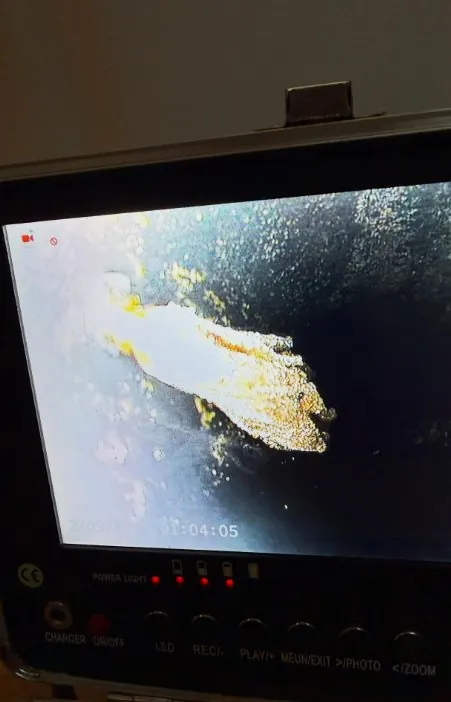
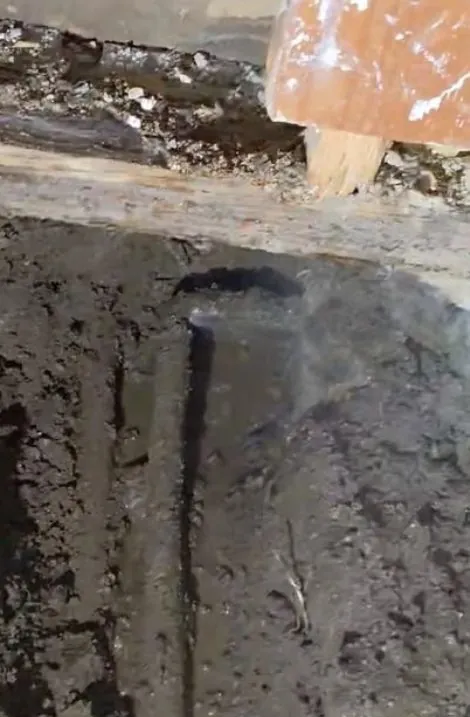
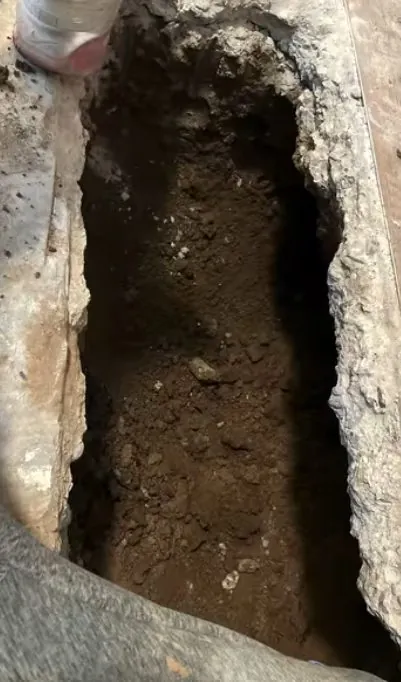
The signs, in the order people usually notice them
The classic first clue is a warm spot on a tile or laminate floor, which means a hot-water line is leaking beneath it. Next comes a water bill that climbs for no reason, then the sound of water moving in the floor when the house is silent. Some homeowners smell a musty note or see a hairline crack weeping before anything else.
None of these prove the exact location, which is why electronic leak detection comes first. Acoustic and thermal tools place the leak within the slab so the repair opens one spot, not the whole room. Guessing and jackhammering blind is how a small leak becomes a large bill.
| Approach | Best when | Trade-off |
|---|---|---|
| Spot repair | A single leak in otherwise good pipe | Opens the floor at one point; other weak spots remain |
| Reroute | Old slab line likely to fail again | Runs new pipe overhead; avoids opening the floor |
| Full repipe | Whole supply system aged out | Larger job, but ends slab-leak risk for that line |
Found a warm spot on the floor?
That is usually enough to act on. Call and we will confirm it acoustically before any concrete comes up.
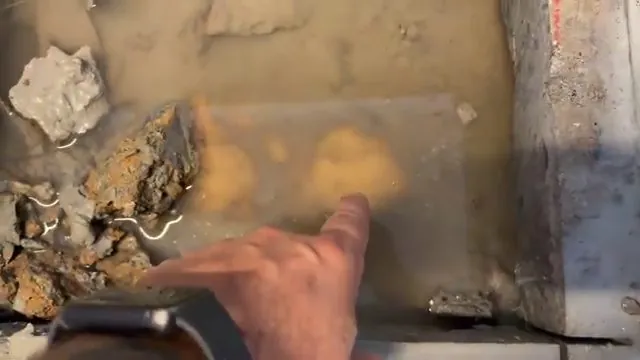
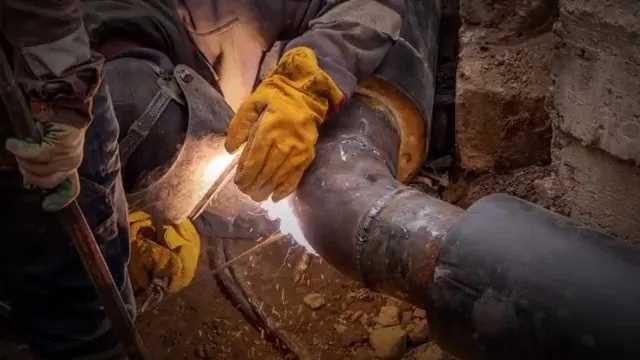
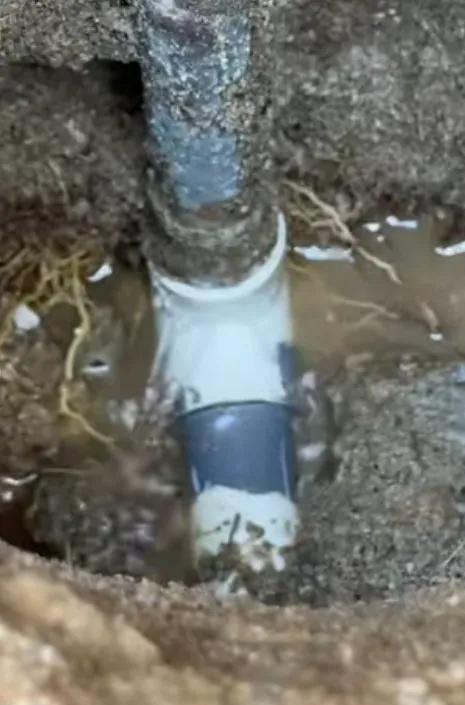
Three ways to repair, and how the right one is chosen
Once the leak is located there are three honest options. A spot repair opens the concrete at the single failure point and replaces that section, which suits a one-off leak in otherwise sound pipe. A reroute abandons the bad line and runs new pipe overhead through walls and the attic, which avoids opening the floor and makes sense when the slab line is old copper likely to fail again. A full repipe replaces the supply system when the whole run is at the end of its life.
For an older West Mesa home on original copper, a reroute or a repipe often beats chasing one pinhole after another. For a newer home out toward Gilbert with a single construction-defect leak, a spot repair is usually right. The decision is made on site after the leak is found, and it is quoted before anyone starts.
Slab Leak Detection & Repair questions, answered
How do I know a warm floor is a slab leak and not just sun?
Sun warms a floor in a patch that moves through the day and cools at night. A slab leak keeps the same spot warm regardless, because a hot-water line under it is running constantly. Pair that with a meter that turns with everything off and a slab leak is the likely answer.
Do you have to break the floor to fix it?
Not always. If the line is old and likely to fail again, rerouting new pipe overhead avoids opening the slab entirely. Breaking concrete is reserved for a spot repair on otherwise sound pipe. Which one fits is decided after the leak is located, and explained before work starts.
Why are slab leaks so common in Mesa?
Two reasons stack up. Nearly every home is built on a concrete slab with supply lines running through it, and the valley's very hard water stresses copper and fittings from the inside over the years. Older lines fail at the weakest point, which is often buried in the slab.
Can a slab leak cause other damage if I wait?
Yes. Beyond the wasted water and the bill, a long-running leak can undermine soil under the slab, lift flooring and feed mold in wall bases. What starts as a warm tile can become a water damage job if it is left. Early location keeps the repair small.
Is a spinning meter always a slab leak?
No. A turning meter with everything off means water is escaping somewhere on the pressure side, which could be a slab line, a yard or irrigation line, or a fixture. Detection narrows it down before any assumption is made about the slab.
Need slab leak detection & repair in Mesa today?
Call and describe what is happening. You will reach a plumber, not a form.